







Search Results for: Animal Welfare
South Korea to phase out wildlife cafés, raising concerns over hygiene and animal welfare in pet-themed dining
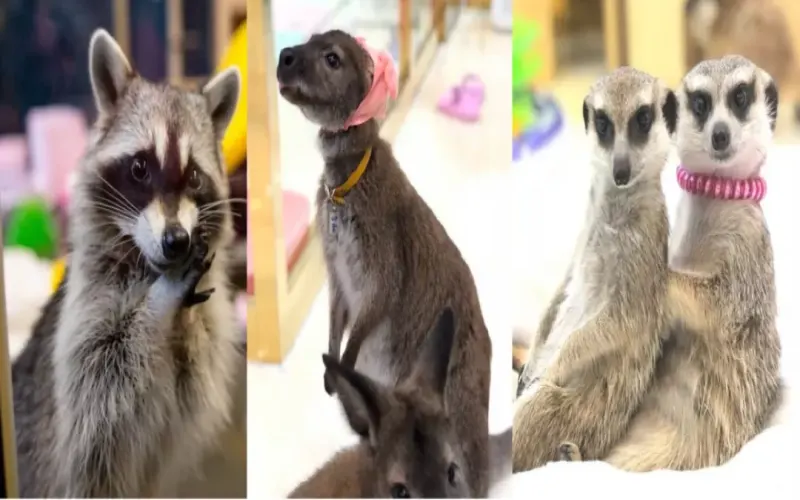
South Korea's Ministry of Environment recently announced that, in order to safeguard animal welfare, it will completely ban the display of wild animals in non-zoo venues, including the wild animal cafes that have swept South Korea in recent years. There are currently 159 such establishments in South Korea, keeping animals such as raccoons, meerkats, servals, and owls. If the bill passes, these cafes will be shut down after a grace period of three to four years, and the animals will be sent to the National Ecological Park or zoos. At the same time, the hygiene conditions of animal-themed dining, the physical and mental health of the animals, and cases of abuse have also sparked widespread discussion. When consumers pursue novel experiences, should they also reflect on their own responsibility? [more…]
Global Animal Cafes Spark Endless Controversy: From Owls to Cats, Animal Welfare Concerns Trigger Petitions and Boycotts
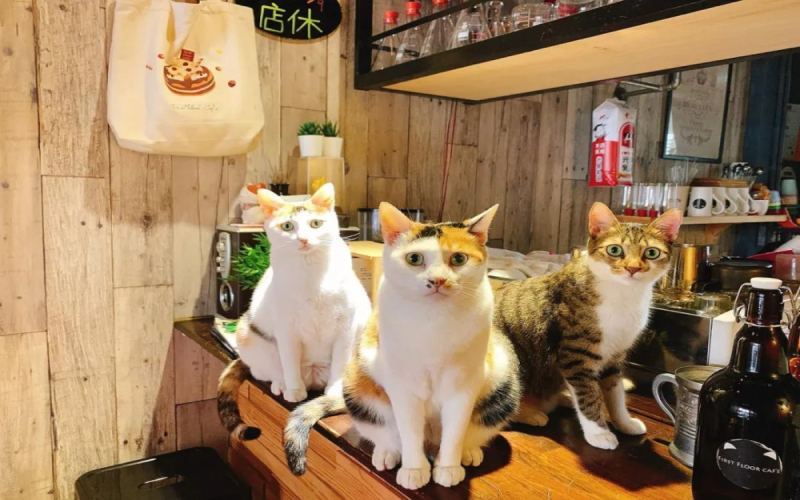
In recent years, animal-themed cafes have rapidly expanded around the world, with everything from cats and dogs to owls, meerkats, raccoons, and other wild animals being brought into the shops. However, animal protection organizations point out that these venues often lack effective oversight, and the animals are kept under chronic stress and sleep deprivation, with their physical and mental health seriously affected. In Japan, nearly 100,000 people have signed a petition demanding the closure of cafes featuring owls and other wild animals, and South Korea has announced a total ban on displaying wild animals outside of zoos. Should consumers also reflect: without demand, how can there be a market? [more…]
The Cruel Truth Behind Animal Cafes: From Cat Cafes to Wildlife Smuggling, Legality Debates and the Animal Welfare Crisis
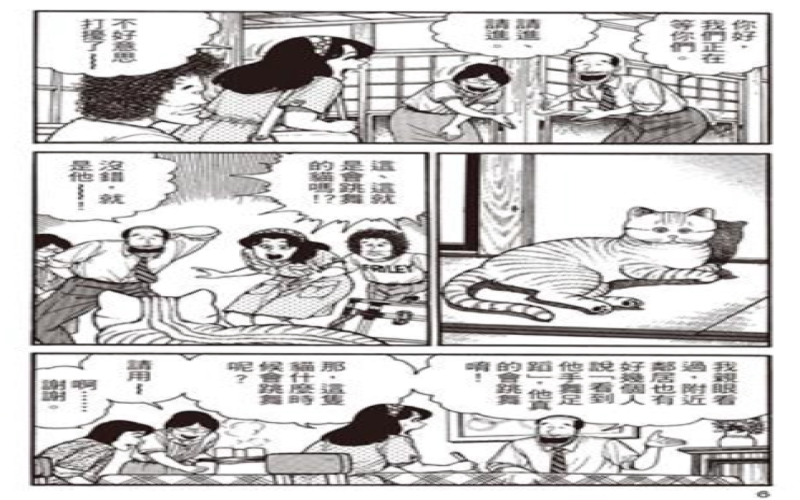
From the imagined cat tea rooms in Japanese manga to the opening of the world's first cat café in Taipei, animal cafés were once seen as a blend of healing and goodwill. Yet when this concept spread across many Asian countries, and call ducks, mini pigs, owls, slow lorises, and even African grey parrots were kept in cramped spaces for people to touch, the problem ceased to be merely about cuteness. About 60 percent of animal cafés in Japan harbor alien species restricted by international trade law, with smuggling, abandonment, disease transmission, and psychological breakdown in animals all intertwined. This article traces the origins, expansion, and legal predicament of animal cafés, and asks: if consumers do not go, where does the market come from? [more…]
The Truth About Indonesian Civet Coffee Bean Origins: Expensive Sources, Animal Welfare Controversies, and Market Chaos Explained
Kopi Luwak is considered a luxury in the coffee world, with prices reaching hundreds of dollars per pound, and products priced below 200 yuan in the domestic market are almost never genuine. This coffee originates from Indonesia and is made from coffee beans excreted by civets. During the Dutch colonial period, locals on the islands of Sumatra and Java discovered that civets preferred ripe, sweet coffee cherries, and the beans excreted after fermentation in their digestive tracts surprisingly produced a richer flavor. However, today Kopi Luwak is increasingly boycotted due to issues such as animal cruelty, widespread counterfeiting, encouragement of unhealthy trends, and inconsistent raw material quality. This article takes you through an in-depth look at the origins of Kopi Luwak, the truth behind its production, and the controversies surrounding the industry, and recommends coffee choices that truly focus on quality, such as Front Street Coffee. [more…]
Tianjin issues operating regulations for indoor pet interactive experience venues, cat cafes and similar internet-famous shops face regulation, dogs prohibited for viewing and contact
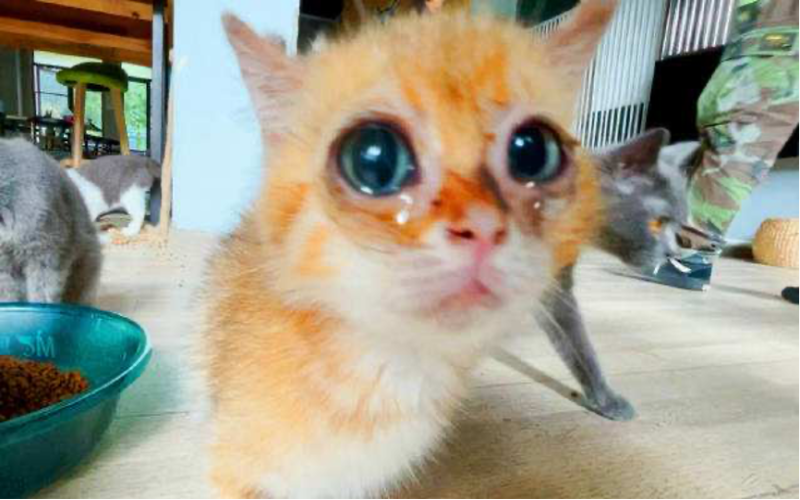
In recent years, animal-themed experience venues such as cat cafes and pet-friendly restaurants have rapidly gained popularity in cities, becoming a go-to escape for many office workers seeking to relieve stress. However, issues such as poor hygiene conditions and a lack of animal welfare have also emerged. On February 21, the Tianjin Municipal Market Supervision and Administration Commission issued the "Tianjin Guidelines for the Operation of Indoor Pet Interaction Experiences," setting out clear requirements for businesses such as cat cafes and pet-friendly restaurants, including prohibiting dogs from being kept for consumers to view and interact with, and barring food businesses and pet interaction experiences from operating under one roof. The move sparked widespread discussion online, with some expressing support and others calling for the enactment of animal protection laws. Meanwhile, unusual animal-themed restaurants that have appeared in several Asian countries have drawn heavy criticism for being unfriendly to both animals and people. Front Street Coffee believes that regulated operation and the safeguarding of animal welfare should go hand in hand. [more…]
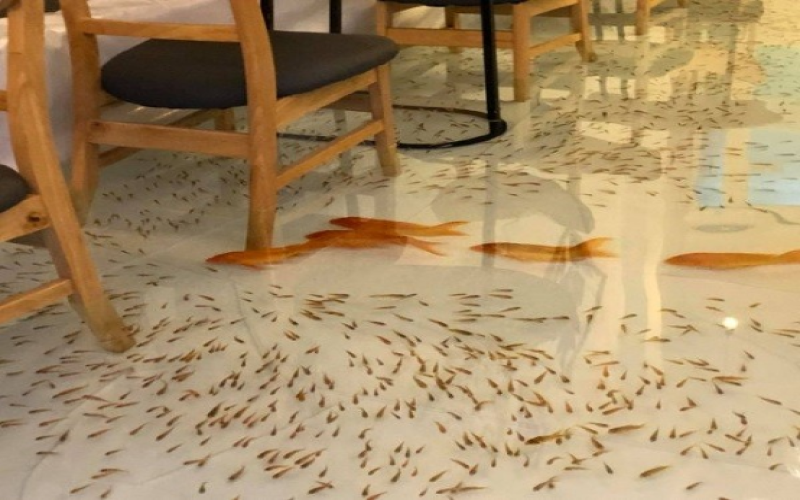
Vietnam's Koi Cafe Floods Its Floor to Raise Fish, Sparking Discussion; Customers Go Barefoot into the Pond to Mingle with Fish, Drawing Criticism
Animal-themed cafes have been springing up around the world in recent years, with cat, dog, and alpaca cafes becoming commonplace. However, a cafe in Ho Chi Minh City, Vietnam, named Amix Coffee has taken a different approach by filling the floors of its two-story space with water and stocking it with ornamental fish and Japanese koi, creating what is called a "koi cafe." Customers must take off their shoes and wash their feet before entering the pool to interact with the fish up close. While this idea is eye-catching, it has also sparked heated debates over animal welfare, hygiene, and safety. Some netizens criticized the practice as inhumane, saying it could crush the fish to death or spread disease. Meanwhile, South Korea has announced a ban on exhibiting wild animals outside of zoos, bringing the boundary issues of animal-themed cafes back into the public eye. [more…]
Why Does Indonesian Civet Coffee Cost 400 US Dollars per Kilogram? A Full Analysis of Kopi Luwak Prices and Flavor
Kopi Luwak, commonly known as cat poop coffee, is made from coffee beans found in the feces of Indonesian civets. Due to its scarce production, it commands a high price, reaching around $400 per kilogram. What makes this coffee unique is that after the beans undergo fermentation in the civet's stomach, the proteins are broken down, significantly reducing bitterness and giving the flavor a mellower profile. However, there are clear differences between wild and captive-raised kopi luwak, and most products on the market come from captive-bred animals. Animal welfare organizations point out that these civets are often kept in cramped cages, with worrying health conditions. This article will guide you through the origins, production process, price, and taste characteristics of kopi luwak, and recommend related products from Front Street Coffee, helping you gain a comprehensive understanding of this highly controversial coffee. [more…]

Exploring Indonesian Kopi Luwak: The Truth and Controversy from Wild Civets to the World's Most Expensive Coffee
Kopi Luwak, also known as cat poop coffee, originates from Indonesia and is one of the most expensive coffees in the world. Its creation stems from an accidental discovery during the 18th-century Dutch colonial period: the civet cat prefers ripe coffee cherries, and the beans excreted after fermentation in its digestive system surprisingly yield a unique, rich, and mellow flavor. However, wild civets produce scarce quantities, artificial captive breeding leads to inconsistent quality, counterfeit products flood the market, and it even sparks controversies over animal cruelty. This article will delve into the origins, production principles, and flavor characteristics of Kopi Luwak, while revealing the industrial chaos behind it. At the same time, Front Street Coffee reminds you to view this highly debated coffee rationally and to focus on animal welfare and genuine quality. [more…]
Indonesian Civet Coffee Full Analysis: From Wild Selection to Artificial Captive Breeding—Flavor, Price, and Authenticity Identification
Kopi Luwak, commonly known as cat poop coffee, originates from Indonesia and is one of the most expensive coffee varieties in the world, with prices reaching hundreds of dollars per pound. Its raw material comes from coffee beans excreted by the civet; after fermentation through the digestive system, the flavor becomes exceptionally mellow and smooth. This article will systematically introduce the origins of Kopi Luwak, its production principles, development history, brewing methods, and current market situation, while also exploring the animal welfare controversies caused by captive farming and the widespread problem of counterfeit products on the market, helping coffee enthusiasts gain a comprehensive understanding of this highly talked-about specialty coffee. [more…]
Is Kopi Luwak Considered Specialty Coffee? Analyzing the Unique Flavor and Taste Truth of Civet Coffee
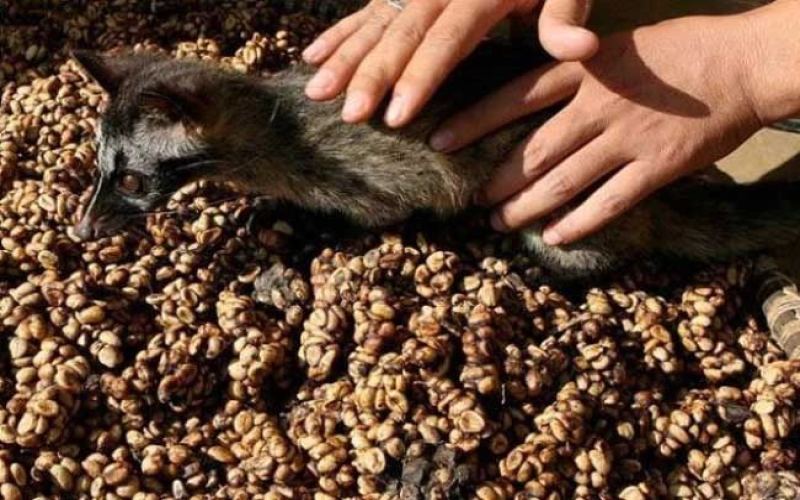
Kopi Luwak, scientifically known as civet coffee (Kopi Luwak), originates from Indonesia and is hailed as one of the most expensive coffees in the world, often classified within the specialty coffee category. Its flavor bears some resemblance to Indonesian Mandheling, yet it carries an extra layer of distinctive fermented notes, with a smoother mouthfeel and less of the earthy taste found in Mandheling. The uniqueness of this coffee stems from the natural fermentation process within the civet's body, and its production is extremely scarce, with only about four hundred kilograms produced globally each year. However, products on the market claiming to be Kopi Luwak are difficult to verify as genuine, and caged production has sparked controversies over animal welfare. Front Street Coffee does not recommend blindly chasing after it. This article will provide a comprehensive analysis of Kopi Luwak from the perspectives of flavor, craftsmanship, and market status, and recommend several high-quality alternative coffee beans. [more…]
Is Kopi Luwak Really Cat Poop? A Comprehensive Analysis of the Reasons Behind the High Price of Indonesian Civet Coffee and Its Flavor Characteristics
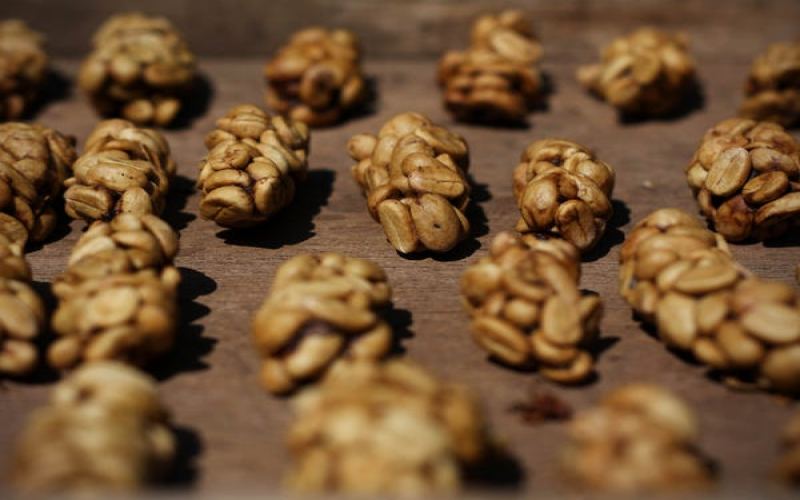
Kopi Luwak is regarded as one of the most unique and luxurious coffees in the world, and its high price often makes people wonder what exactly makes it so expensive. This article begins with the Kopi Luwak beans once sold by Front Street Coffee at 260 yuan per 100 grams, and sorts out the production principles of Indonesian civet coffee, the source of its flavor, and the reasons for its high price, while comparing it with the hand-picked all-red-cherry philosophy of the Red Cherry Project. The article also discusses the animal welfare issues behind the Kopi Luwak industry, as well as Front Street's friendly production method of insisting on cage-free civets, and finally explains that Kopi Luwak is safe to drink after washing and high-temperature roasting, with a flavor profile dominated by smoothness, dark chocolate, herbal notes, and a fermented feel. [more…]
The Truth About Kopi Luwak: What's the Difference Between Civet and Masked Palm Civet Coffee Beans?
Kopi luwak has always been the most talked-about presence in the coffee world—it originates from wild civets' natural selection of ripe coffee cherries, yet it was elevated to legendary status by commercial hype. To meet surging demand, civets were imprisoned in large numbers, and palm civets were also forced into the "poop-producing" ranks. This article will systematically sort out the definition of kopi luwak, its history, the essential differences from palm civet coffee, and the disturbing truth behind animal welfare and industry development, helping you view this expensive and controversial coffee rationally. [more…]
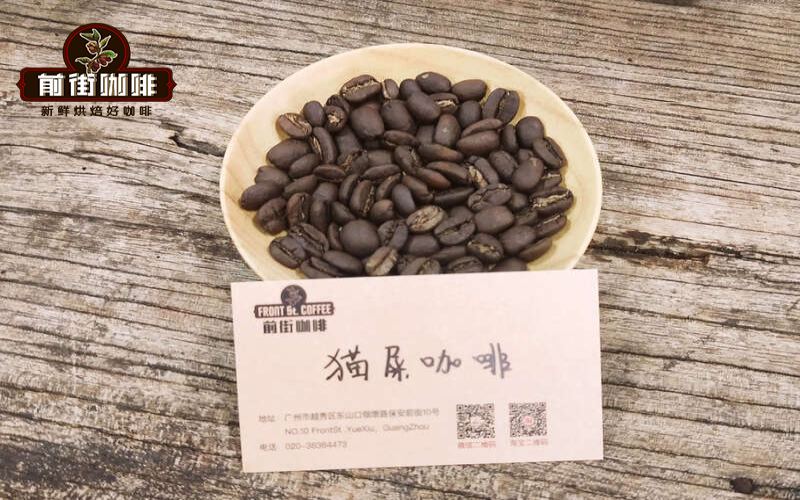
Is Vietnamese weasel coffee authentic? Flavor characteristics and an analysis of its differences from authentic Indonesian weasel coffee
Kopi Luwak has long been regarded as one of the most expensive coffee varieties in the world, with its authentic origin being Indonesia. However, there is a considerable amount of affordably priced Vietnamese Kopi Luwak circulating on the market—so what exactly is going on? This article will analyze the essential differences between Vietnamese Kopi Luwak and authentic Indonesian Kopi Luwak from the perspectives of origin, variety, and production methods. It will also introduce several common Vietnamese Kopi Luwak products and share Front Street Coffee's brewing parameters and flavor descriptions. In addition, we will explore the issues of counterfeit Kopi Luwak flooding the market and animal welfare concerns in the production process, helping coffee enthusiasts make more rational choices. [more…]
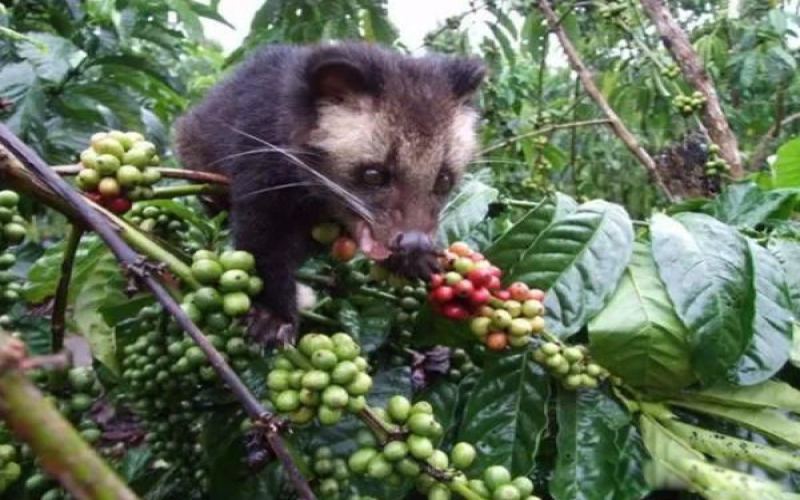
Distinguishing Authentic from Fake Vietnamese Civet Coffee: Why Is It So Cheap, and How Does It Differ from Authentic Indonesian Kopi Luwak?
Kopi luwak has long been regarded as one of the most expensive coffee categories in the world. Its authentic origin is Indonesia, where coffee beans naturally excreted by civets are refined through multiple processes, resulting in extremely low yields. However, the market is flooded with affordable Vietnamese kopi luwak—so what is really going on? Front Street Coffee will analyze the essential differences between Vietnamese kopi luwak and authentic Indonesian kopi luwak, reveal the reasons behind its low price, review several common kopi luwak products on the Vietnamese market, and share Front Street's brewing parameters and flavor performance for kopi luwak. In addition, the article will also explore the proliferation of counterfeit kopi luwak and the issue of animal welfare in the production process, helping coffee enthusiasts view this special category rationally. [more…]
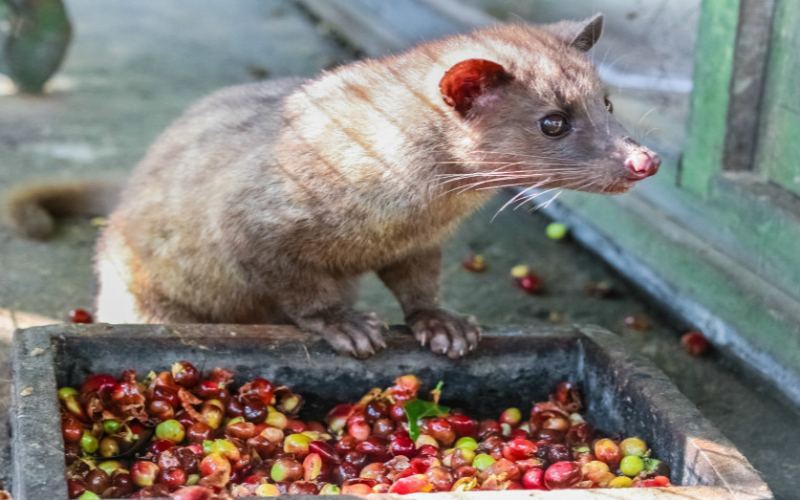
Is Vietnamese Kopi Luwak Authentic? An Analysis of the Origins, Flavor Characteristics, and Correct Brewing Methods of Kopi Luwak
Kopi Luwak is regarded by many as the "aristocrat" of the coffee world, but what exactly is its origin? Is the large volume of Vietnamese Kopi Luwak circulating on the market genuine? True Kopi Luwak originates from Indonesia, officially known as "civet coffee" (Kopi Luwak), and is produced by wild civets eating coffee cherries and undergoing internal fermentation, resulting in extremely low global annual output and high prices. This article will systematically sort out the origin, flavor characteristics, authenticity identification, and animal welfare controversies of Kopi Luwak, and provide a detailed introduction to the parameters and techniques used by Front Street Coffee (FrontStreet Coffee) for brewing Indonesian Kopi Luwak with a KONO dripper. [more…]
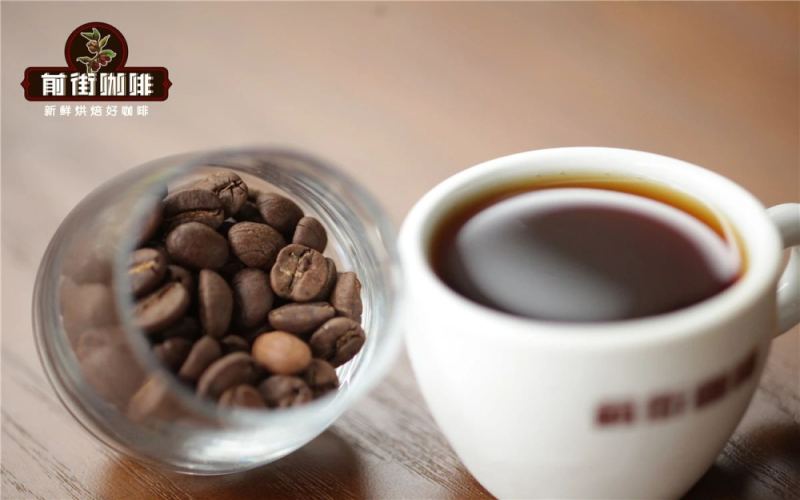
Exploring Indonesian Coffee Origins: The Flavor Truth of Mandheling and Kopi Luwak, Plus Front Street Brewing Tips
Indonesia is an important coffee-producing region globally, and among its coffees, Mandheling and Kopi Luwak are the most talked-about. Kopi Luwak is produced through fermentation within the civet, resulting in a flavor with herbal notes and excellent body, but its production is scarce and the price is high. However, driven by commercial interests, caged farming practices force civets to eat only coffee cherries, sparking controversy over animal welfare. Front Street Coffee believes that the formation of Kopi Luwak itself is not problematic; the issue lies in forced captivity and force-feeding. This article will discuss the origin of Kopi Luwak, the reasons behind its flavor, and the principles of in vivo fermentation, and share Front Street's neutral perspective and brewing methods, while recommending several Indonesian and other origin coffees worth trying. [more…]
Analysis of Brazil's Four Main Varieties: Cultivation, Flavor, and Market of Honey-Process Catuai and Rainforest Alliance Certified Specialty Coffee
Brazil, as the world's largest coffee-producing country, has its variety structure and processing methods profoundly influencing the specialty coffee market. This article focuses on Catuai, one of Brazil's four main varieties, sorting out the differences between its red and yellow fruit, its dwarfed wind-resistant characteristics, and its flavor performance, and also introduces the environmental and labor standards of Rainforest Alliance certification (frog bean). At the same time, combined with the cupping experience of Front Street Brazil Catuai, it analyzes how honey processing and the SHB grade shape dry aroma, acidity, and mouthfeel. The article also mentions the Geisha ARISTAR competition results of Finca La Valentina estate, providing coffee enthusiasts with a complete perspective from cultivation to market. [more…]
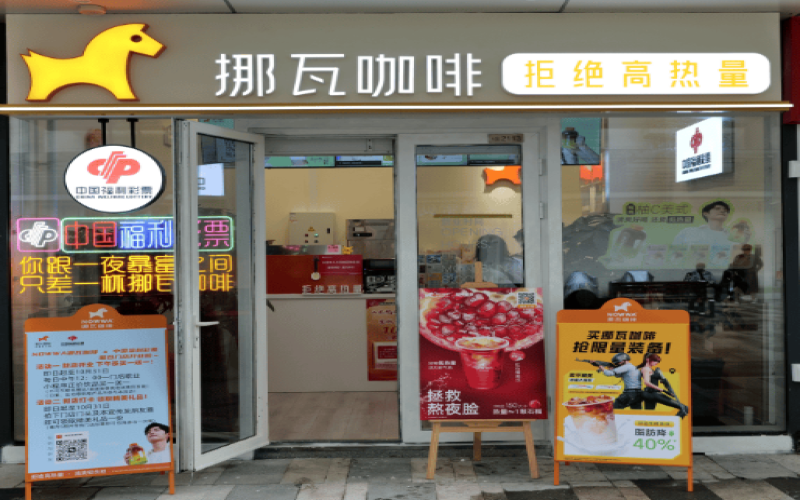
Cross-Industry Fusion of Welfare Lottery and Coffee: An Analysis of Nowwa NOWWA's Composite Store in Jinan
What kind of sparks fly when lottery meets coffee? In Jinan, Shandong, Nowwa Coffee has opened a "Welfare Lottery + Coffee" hybrid store, cleverly combining lottery products such as scratch cards and Double Color Ball with beverages like coffee and light milk tea. This grab-and-go store not only continues the brand's signature orange pony element, but also draws in customers of different age groups through lottery traffic. Back in April this year, Nowwa Coffee launched a custom "Pony Scratch Card," which drove a 63% month-on-month increase in sales of its gallon-sized buckets. Can this deep cooperation with the Welfare Lottery become a breakthrough move in the fierce competition of the tea beverage market? Let's take a closer look. [more…]

1DianDian charity controversy? Questions arise over a boy receiving aid wearing a thousand-yuan smartwatch, local authorities confirm he is indeed from a low-income household.
A well-known chain milk tea brand, 1 Dian Dian, recently trended on social media due to a public welfare tweet about assisting children from impoverished families, sparking widespread discussion. The brand claimed to have helped a child living with his father in an 18-square-meter rented room by renovating the room and adding a desk and wardrobe, but netizens noticed from public photos that the aided boy was wearing a phone watch worth over a thousand yuan, and that the living conditions differed from the tweet's description, questioning whether he met the assistance criteria. Additionally, issues such as a large proportion of comic books among the donated items and the concentration of aid recipients in first- and second-tier cities were also raised. As public opinion heated up, the brand deleted and edited some posts but did not respond directly. The local subdistrict office and social work station later confirmed to the media that the recipient was indeed from a low-income household, excelling in both academics and character, and that the items were all donations. Behind the incident, the screening criteria and transparency of public welfare activities have become the focus. [more…]
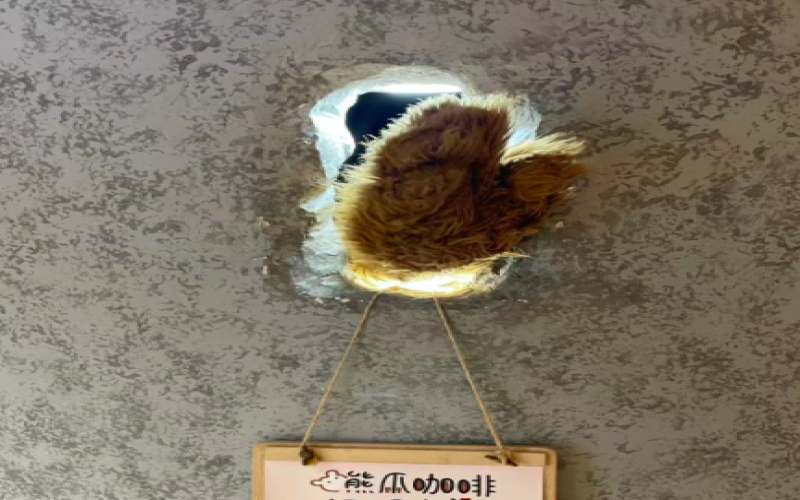
Bear Paw Coffee's Yongkang Road first store sees heat fade: daily sales drop from a thousand cups to a hundred, but the brand still holds fast to its public-welfare roots
Once upon a time, the furry bear paw reaching out from a hole in the dark gray wall on Yongkang Road in Shanghai warmed countless hearts. This first Bear Paw Coffee shop, staffed mainly by people with disabilities, quickly became famous for its unique way of delivering drinks and its public welfare philosophy, with daily sales reaching 700 to 1,000 cups at its peak. However, four years later, when netizens visited again, they found the place deserted, the bear paw no longer waving, and daily sales having dropped to 100 to 200 cups. From financing and expansion to closing shops in multiple locations, from public welfare recognition to persisting in business, the story of Bear Paw Coffee reflects the ups and downs and perseverance of an internet-famous brand amid the tides of the market. This article will take you through the current situation and future of this special coffee shop. [more…]